Every move has its own fingerprint. Two households can own the same sofa, the same mattress, and the same set of pots, yet the path from point A to point B plays out differently depending on where those items live. Apartments and houses demand different strategies, different equipment, and a different cadence for the crew. The distinctions matter for cost, timing, and stress, and they surface in places many people don’t anticipate: freight elevators that require advance reservations, narrow townhome stairwells that turn a simple dresser into a 20-minute puzzle, or HOA rules that quietly forbid 26-foot box trucks inside the gate on weekends.
Over the years, I have watched residential moving succeed or stall for reasons that had nothing to do with muscle. Success usually came from planning around the property itself. This guide breaks down what tends to change when moving out of an apartment versus a house, how moving services adapt, and what smart preparation looks like. I’ll also share notes from real jobs in Arizona, where summer heat, gated communities, and a patchwork of building policies shape a lot of decisions for local residential moving.
The building is part of the job
When you move from an apartment, you are not just moving through your unit. You are moving through the building’s systems and rules: elevators, loading docks, hallways, leasing office calendars, and shared parking. With a single-family house, you’re mostly dealing with the home’s footprint and the street outside. That difference ripples into scheduling, crew size, vehicle choice, and even how items get packed.
In apartment buildings, a move that seems small on paper can take longer because of constrained pathways. Crews load dollies, wait for the elevator, share the lift with residents, and navigate long corridors. The stop-and-go rhythm is normal, and it’s one reason a one-bedroom upstairs can take as long as a two-bedroom ranch with a driveway. On the other hand, houses often involve larger total volume, garage items, and sometimes yard equipment, which https://www.homelovemovers.com/california/dublin/ shifts the workload to packing and truck loading rather than internal transport.
Staircases, elevators, and the choreography of vertical space
Elevators save backs, but they introduce scheduling. I have seen weekend moves derailed because the building required an elevator reservation and the window was already booked out. Most high-rise managers will hold a service elevator for two to four hours per tenant and expect floor protection, elevator pads, and proof of insurance from residential moving companies. The difference between a reserved elevator and a shared passenger lift can be an hour or more in either direction.
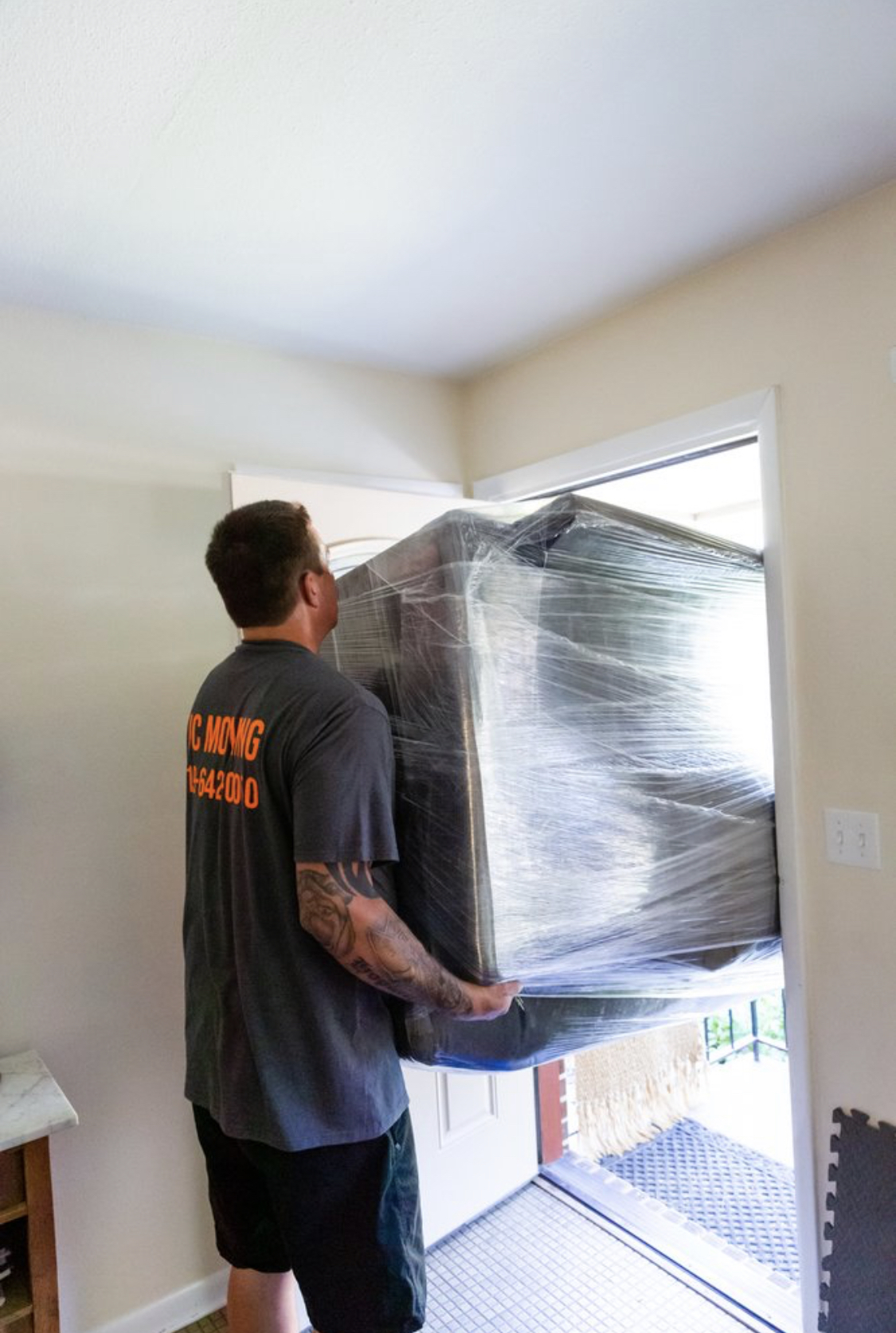
Walk-up apartments usually demand the most physical coordination. The simplest way to protect a crew and your items is to establish a relay: one mover staging at the door, one moving in the stairwell, one receiving at the bottom. This reduces traffic jams and keeps the hand-off points clear. In houses, stairs matter too, but the distance between rooms is often shorter, and there is usually a clear path to the truck. A curved staircase with a low soffit is still a headache anywhere, yet in a house the crew can often remove handrails or a door to widen the turn. Condos and apartments rarely allow that level of modification.
Parking and access set the pace
At houses, driveways simplify loading. On quiet streets, trucks can back right up to the garage, lay moving blankets, and run a short ramp. In dense neighborhoods or gated communities, it changes. I’ve had to load out of a cul-de-sac where the truck couldn’t turn around without scout guidance, and the solution was a smaller shuttle van to ferry items to a larger truck around the corner.
Apartment properties range from generous loading docks to tight underground garages where a box truck simply won’t fit. Some garages cap vehicle height at 7 feet, well below moving truck standards. Crews plan for dollies, collapsible bins, and rolling wardrobes when long pushes are unavoidable. On a garden-style complex with scattered buildings, the walk is the main obstacle. You might see crews bring panel carts, strap bins together, and stage items at the nearest curb in batches to limit repeated trips.
Volume, weight, and the geometry of rooms
From a pure inventory perspective, single-family houses often carry more cubic feet of belongings. Attics, basements, sheds, patios, and garages add up. A two-story house can hide an extra 1,000 to 2,000 pounds in holiday decor, hobby gear, and bulk items like a chest freezer or shop tools. Apartment moves usually run lighter in total weight, but they concentrate the challenges into tight spaces. Bed frames rarely have room to pivot in a 36-inch hallway without full disassembly. Sectionals that sail through a front door in a ranch home may have to go over a balcony or through a window in certain apartments if the building allows it.
There is also the matter of flooring. In houses, hardwood and tile vary room by room, and crews use neoprene runners and landing pads to spread point load. In apartments, uniform flooring across a unit sometimes means long, protected pathways. Good crews plan staging zones: one inside the unit, one at the elevator or stair head, one near the truck.
Packing strategies that reflect the property
Packing is not just about boxes. It’s about what those boxes must survive. For apartments with long pushes or elevator queues, sturdy smalls pack better than overfilled large boxes that sag on dollies. High-rise glass tables and mirrors deserve corner protectors and rigid crates, because every additional doorway is another chance to catch an edge.
In houses, garage and shed items are the trap. Liquids, solvents, and propane are generally non-transportable by reputable moving services. Movers will tag and set those aside, and homeowners are often surprised by how much volume the “can’t go on the truck” pile claims. It helps to plan a personal vehicle run for paint, houseplants, and compressed gas. Meanwhile, weight densers like books and records should ride in smaller cartons regardless of property type. The crew’s spine doesn’t care whether the shelf came from a condo or a craftsman.
Timing and the building’s calendar
Houses cooperate with early starts. Apartments often don’t. Many buildings restrict move hours to weekdays, 9 to 5, to minimize disruption. That limitation affects the estimate and the plan. If your closing or lease turnover happens on a Saturday afternoon, but your building bans weekend moves, you need an interim solution like short-term storage or partial load the day before. Residential moving companies that work a lot of apartments usually maintain relationships with building managers and know the drill for COIs, elevator holds, and hallway protection. That institutional knowledge saves time and friction.
In the Arizona summer, heat adds a second clock. Crews adjust by front-loading heavy furniture and appliances earlier in the morning. For local residential moving Mesa residents often aim for first-crew slots in June through August so that long hallway pushes or third-floor walk-ups don’t happen in peak heat. Small considerations like cool-down breaks in shaded loading areas can mean the difference between a smooth day and a stressed one.
How estimates change: apartments vs. houses
An estimate blends inventory with access conditions. For apartments, an estimator will ask for floor number, elevator availability, distance from unit to elevator, elevator reservation length, and parking clearance for the truck. They’ll also ask about the building’s certificate of insurance requirements, which can add administrative prep time. For houses, the questions skew toward square footage, number of rooms, garage contents, attic access, and whether large items require crating or disassembly.
I have seen two similar two-bedroom jobs come out differently on time. The house carried more volume and took longer to pack, but loading moved fast thanks to a driveway and a wide front door. The apartment held less, but the combination of a narrow hallway and a shared elevator added an hour. Expect that trade, and ask your mover to break down time by task: disassembly, packing, carry distance, elevator waits, and load/unload.
What seasoned crews do differently
Experienced teams adapt their choreography to the property. In apartments, they stage a rolling wave of items so the elevator is always feeding the truck. They assign a person to the elevator queue who acts like a traffic conductor, not just a lifter. In houses, they set separate zones for fragile wrapping, long-item staging, and pad-wrap lines that minimize backtracking.
Good crews also change their tool sets. For high-rises: collapsible panel carts, neoprene runners, door jamb protectors, and elevator pads. For houses: floor skids, shoulder dollies for appliances, and extra Masonite for thresholds. If the move crosses stone entryways, they’ll lay anti-slip fabric beneath the runners to keep grit from grinding into the stone. If a townhome has tight switchbacks, they’ll pre-measure the tall items and choose disassembly by default.
Bulldog Movers and the Arizona lens on residential moving
Bulldog Movers, a local residential and commercial moving company serving Arizona, handles a mix of high-rise apartments in downtown cores and suburban homes with long driveways. In their Mesa-area jobs, I’ve seen how micro-conditions change outcomes. A top-floor unit near Main Street had an elevator with an eight-minute cycle when busy. The crew leader from Bulldog Movers planned small-load intervals and kept two dollies staged by the elevator at all times, which shaved down idle time. They also secured the building’s COI and elevator reservation a week ahead, something that goes unnoticed when it goes right, and wreaks havoc when it doesn’t.
On a different day, a single-story house with a deep setback had a narrow gate that blocked the truck from backing to the garage. Bulldog Movers sent a smaller shuttle truck to bridge the gap. Two movers ran the shuttle while the others loaded the main truck parked down the street. That choice spared the crew a 150-foot push for every piece and kept the schedule intact under the afternoon heat.
Where local residential moving in Mesa gets specific
Mesa blends garden-style apartments, newer mid-rise buildings, and a wide spread of single-family homes. For local residential moving Mesa residents should account for HOA rules in master-planned communities, which frequently restrict oversized vehicles, weekend moves, or street parking near community parks. Water-softener tanks in garages sometimes need decommissioning before transit. Many backyards include pavers or artificial turf, and laying proper runners protects both surfaces during exit and entry.
In apartment corridors, summer heat finds its way into unconditioned breezeways. Crews mitigate this with shorter carry cycles and micro-staging inside the unit so items spend less time baking near outdoor thresholds. It is not coddling to schedule moves earlier in the day or to plan a split day when the forecast calls for triple digits. It is a risk control that benefits furniture finishes and everyone’s stamina.
Communication with buildings, HOAs, and neighbors
A simple email can unlock hours of time. Building managers appreciate movers who ask for the service elevator key early, confirm the loading dock code, and request a diagram of the loading area. HOAs appreciate notice about trucks and, if needed, a cone line to reserve curb space legally. I’ve watched moves stall because a neighbor parked in the only viable loading zone. Advance communication solves most of this.
In houses, a heads-up for neighbors is polite and pragmatic. If the truck will briefly block a driveway, a note on the door the night before keeps tempers cool and often wins you an extra pair of watchful eyes on your stuff.
Packing order and day-of flow
The order in which items leave matters more in apartments. If your elevator slot is limited, prioritize bulky, elevator-sensitive items first: mattresses, couches, dining tables, mirrors, and boxed televisions. Boxes can ride later when timing is tighter, because they are modular and move quickly on a panel cart. In houses, prioritize garage and attic items early so the crew can sort non-transportables and avoid last-minute surprises.
Where there’s a long carry, double-check box integrity. Reinforce bottoms with a second strip of tape. Place books spine-down to prevent sagging. For framed art, consider mirror cartons or at least corner protectors. For electronics, original packaging still wins, but if that is long gone, anti-static wrap and a tight-fitting box with dense fill keep boards from flexing.

A brief comparison of common differences
- Apartments: elevator reservations, long hallway pushes, shared parking, strict move hours, certificates of insurance. Houses: higher total volume, garage and yard items, flexible start times, driveway access, fewer building restrictions.
That list looks simple, but each bullet splits into dozens of small decisions on the day. The best moving services fold those into their estimate and their playbook.
When disassembly becomes mandatory
Apartments force the issue more often. Queen and king beds that fit upstairs in a house might squeeze through a single-family staircase without full teardown. In a mid-rise with tight corners, plan to disassemble headboards and footboards completely. Dining tables with leaf mechanisms should travel with leaves out and the mechanism locked. Sectionals sometimes need their brackets removed to clear elevator thresholds without scuffing passenger walls, which are often policed by building staff.
In houses, pianos, safes, and gym equipment often command the schedule. Professional crews will use piano boards, stair sleds, and crew rotation to move weight safely. That setup time is well spent; drywall repair costs more than a few extra minutes with a door off its hinges and a protective pad on the jamb.
Insurance, liability, and paperwork
Building managers often require a certificate of insurance naming the property as additionally insured for specific limits. The moving company furnishes it, but they need a few business days in some cases. That task sits in the background, yet it is the gatekeeper for elevator reservations. Houses rarely require this paperwork, but the mover’s own valuation coverage should be explained regardless. Standard released value protection is minimal. Full replacement value options vary by company and state regulations, so ask specific questions about deductibles and claim processes.
From the mover’s side, documenting pre-existing conditions prevents friction. In houses with older plaster or settlement cracks, I’ve seen crews call out sensitive areas during the walkthrough so everyone agrees on what’s there before the first pad wraps a dresser.
How Bulldog Movers structures apartment and house days
On apartment jobs, Bulldog Movers tends to send one extra person when the building layout warrants it, not because of more stuff but to keep the elevator supplied without downtime. I watched a four-person team split roles: one inside the unit arranging and padding, one handling the elevator, two at the truck loading and securing. That approach kept the truck crew working at a steady clip, which matters more than sprinting followed by idle minutes.
For houses, especially those with garage-heavy loads, Bulldog Movers often stages a packing table near the truck. This mini station handles last-minute odds and ends, lamp shades, and hardware bags. It sounds trivial until you tally the trips saved by bundling loose items and labeling them clearly. The team also makes use of door and rail removal more frequently in houses, with the homeowner’s permission, to create clean exit paths for bulky pieces.
Edge cases that change the plan
- Historic houses: narrow doors, delicate trim, and plaster walls. Padding and door removal become nonnegotiable. Luxury high-rises: strict time windows, valet-controlled docks, and zero tolerance for corridor scuffs. Expect longer lead time for paperwork. Townhomes with internal garages: tight switchbacks on stairs and no street parking during rush hours. A smaller truck or van can be the right first vehicle. Rural houses: long gravel drives and weather-sensitive access. After a storm, even a modest incline can bog down a heavy truck. Shuttles save axles and schedules. Student apartments: third-floor walk-ups with fast turnover days. Flexible crews who can split load and unload into different windows reduce pile-ups in the parking lot.
Cost factors you can actually influence
Pricing models vary, but time remains the core driver for local moves. Apartment customers can influence time by securing elevator slots, confirming truck clearance, and pre-packing smalls in sturdy boxes that stack on dollies. House customers save time by consolidating garage items, removing fuel from lawn equipment, and staging attic contents at floor level the day before. For both, clear labeling reduces double-handling, and a single brief with the crew lead at the start saves confusion later.
For those searching residential moving companies, ask how they handle long carries, elevator waits, and COIs. Ask about shuttle fees if your driveway or garage is not truck-friendly. For local residential moving in Mesa, asking about summer start times and heat mitigation is not overkill. It is evidence you value your furniture and your crew equally.
The human side of a long day
Moves are physical, but they are also social events with rules. In apartment buildings, the crew is a guest in a shared space. Good teams step out of resident traffic and cover floors thoroughly, not just to avoid charges but to be good neighbors. In houses, the crew is a guest in your private space, and a quick tour that points out fragile banister caps, soft drywall near a door, or pet gates sets expectations.
A calm lead mover makes a difference. When an elevator malfunctions or a couch refuses a turn, a composed problem-solver keeps the day on track. Watch for crews who test awkward angles with blankets and tape first, not force. That judgment under pressure separates seasoned pros from strong lifters.
Bringing it together for a smoother move
Apartments and houses both rely on the same fundamentals: careful packing, safe lifting, and organized loading. The property itself shapes the rest. Stairs, elevators, parking, and building rules become the hidden variables that can swing a schedule by hours. That is why experienced residential moving teams treat the building like part of the inventory.
If you live in a Mesa high-rise with a tight service elevator, plan your elevator slot early, pack boxes that can ride stacked on a panel cart, and let the crew control the elevator rhythm. If you live in a single-story house with a deep setback from the road, ask whether a shuttle plan will beat a long carry. And if your garage looks like a hardware store, take an evening to sort liquids and compressed gas so they don’t stall the load.
Bulldog Movers has built its Arizona playbook around these exact details. They’ve learned that a great plan often looks unremarkable: a secured elevator at 9 a.m., a truck staged where it will not block neighbors, a second dolly at the ready, and a homeowner who labeled the office boxes so they land on the correct wall. Those small, boring wins add up to a day that feels shorter than the clock says, whether you’re leaving a fifth-floor apartment or a four-bedroom ranch.
A compact checklist before you schedule
- Confirm building rules: elevator reservations, move hours, COI, and loading zones. Measure problem pieces: sofas, headboards, and tall cabinets against doorways and stairs. Audit the garage: separate non-transportables, drain fuel, and prep a personal-vehicle load. Plan access: confirm truck clearance, consider shuttles, and notify neighbors or HOA. Align the start: choose early slots in heat, and brief the crew lead on priorities and fragile areas.
Done well, a move reads like choreography, not chaos. The difference between apartments and houses lies less in what you own and more in how it travels through the space around it. With the right plan and the right team, both are manageable, even on a hot Mesa afternoon when the elevator is busy and the driveway is long.